How to Find Authentic Cheese Pizza in Boulder, Colorado
Boulder has never had trouble feeding people well. The city rewards anyone who cares about ingredients, technique, and local identity. That is true in bakeries, coffee shops, breweries, and it is increasingly true in pizza. Still, finding a genuinely satisfying cheese pizza in Boulder takes more than typing a search term and picking the place with the brightest photos.
Cheese pizza sounds simple, but it is where a pizzeria reveals itself. Toppings can distract. A heavy hand with sausage or hot honey can cover weak dough, flat sauce, or low-grade cheese. A plain pie cannot hide much. If you want to know whether a shop really understands pizza, order cheese first. In a town like Boulder, where health-conscious diners, college crowds, outdoor athletes, tourists, and longtime locals all overlap, that one choice tells you a lot.
The search for authentic cheese pizza in Boulder, Colorado depends on knowing what “authentic” means to you, and what signals matter once you walk through the door. That is where most people go wrong. They chase a label, New York, Neapolitan, wood-fired, artisan, East Coast, and miss the actual pizza in front of them. A better approach is to look for honesty in the dough, balance in the bake, and restraint in the build. Boulder has places that aim for those standards, but you have Cheese Pizza Boulder, Colorado to know how to read them.
Start by defining what authentic means on your plate
Authenticity in pizza is not one universal standard. It is a matter of style executed well, not a vague promise of being “real.” One pizzeria may produce a crisp, foldable slice with a thin base and a light layer of mozzarella. Another may specialize in a soft-centered pie with leopard-spotted crust from a very hot oven. Both can be authentic if they respect the grammar of the style they claim to serve.
That distinction matters in Boulder because the city attracts restaurants that blend influences. You will see menus that borrow from multiple traditions. That can be a strength when the kitchen understands each choice. It becomes a problem when the pizza tries to satisfy every preference at once and ends up with a crust too thick for its sauce, cheese too heavy for its bake, or a finish so overloaded with oils and garnishes that the pie loses structure.
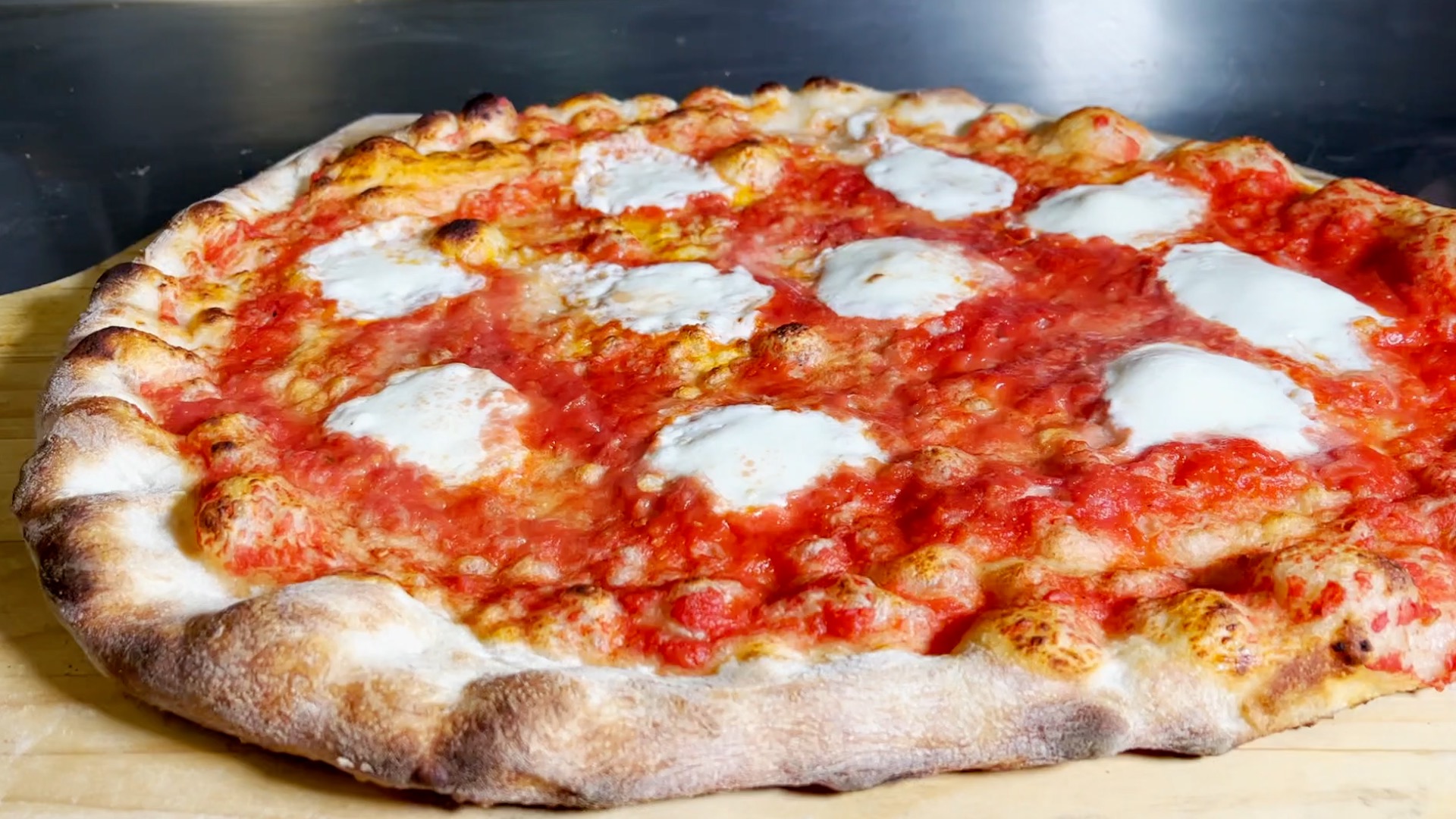
If your personal benchmark is New York style, look for a slice with enough strength to hold its tip while still folding cleanly, with a crust that has some chew and a bottom that shows a little char but not deep bitterness. If your ideal is Neapolitan, expect a softer center, quicker bake, more visible fermentation, and a lighter cheese application. If your preference leans toward old-school American neighborhood pizza, authenticity may show up in steadiness rather than strict regional fidelity: a dependable dough, bright tomato flavor, and cheese that browns just enough at the edges.
The first useful question is not “Where is the best pizza?” It is “What kind of cheese pizza do I actually want?” Without that, Boulder can feel inconsistent when it is really just varied.
The crust tells you almost everything
The fastest way to judge a cheese pizza is to start with the crust. Not the decorative edge, the whole crust system. Dough is labor, time, and discipline. When a pizzeria gets it right, you can taste the decisions behind it.
Good dough has flavor on its own. Even before sauce or cheese, it should offer a little wheat sweetness, some salt, and in many cases a faint tang from fermentation. The texture should suit the style. A New York-leaning pie should have a supple chew and a crisp underside. A Neapolitan-style pie should have air in the cornicione, that raised edge, and a center that stays tender without turning soupy. A pan or Sicilian slice should feel structured and airy rather than dense.
In Boulder, altitude complicates baking. Water boils at a lower temperature, dough can ferment differently, and ovens behave with their own quirks. Skilled pizza makers account for that. You can often spot the difference in the rim. Poorly adapted dough dries out quickly, bakes unevenly, or puffs in awkward bubbles while the interior stays underdeveloped. Well-managed dough keeps its integrity from first bite to last crust edge.
Pay attention to what happens ten minutes after the pie hits the table. Many pizzas look strong when they are fresh from the oven. The real test is whether the crust collapses, toughens, or turns gummy as it cools slightly. Authentic craft survives that window.
Sauce should support, not dominate
Cheese pizza is often ruined by sauce that tries too hard. A good tomato sauce does not need to be loud. It should taste clean, balanced, and alive, with enough acidity to cut through the dairy. It should not drown the dough or sit on top like a separate layer.
In Boulder, where ingredient language can get ambitious, you may see menus highlighting imported tomatoes, organic produce, or house seasoning blends. Those are not bad signs, but they do not guarantee a good result. What matters is proportion. On a proper cheese pizza, the sauce should create a bridge between crust and cheese. You should notice sweetness, acid, and maybe a touch of herb or garlic, but not a muddy spice mix or an overcooked paste-like heaviness.
The easiest clue is the appearance of the slice when you lift it. If the sauce slides away from the cheese or pools under it, the balance is off. If the pie tastes mostly of oregano or raw garlic, someone is compensating for weak tomatoes. If the sauce nearly disappears, the kitchen may be relying too heavily on cheese to carry the flavor.
A strong pizzeria knows that sauce is structural as much as sensory. It affects moisture, bake time, and how the slice sits in your hand. Boulder diners who want authentic pizza should stop thinking of sauce as a background note. It is a test of judgment.
Cheese matters more than quantity
The phrase “cheese pizza” tempts some restaurants into excess. That is a mistake. The best cheese pizzas rarely use the most cheese. They use the right cheese in the right amount, melted to the right point.
Most classic American cheese pizzas rely on low-moisture mozzarella, fresh mozzarella, or a blend. Each choice changes the result. Low-moisture mozzarella gives stretch, salt, and reliable browning. Fresh mozzarella adds creaminess and delicate milk flavor, but too much can water down the pie. A blend often produces the best balance, especially in a climate and service environment where consistency matters.
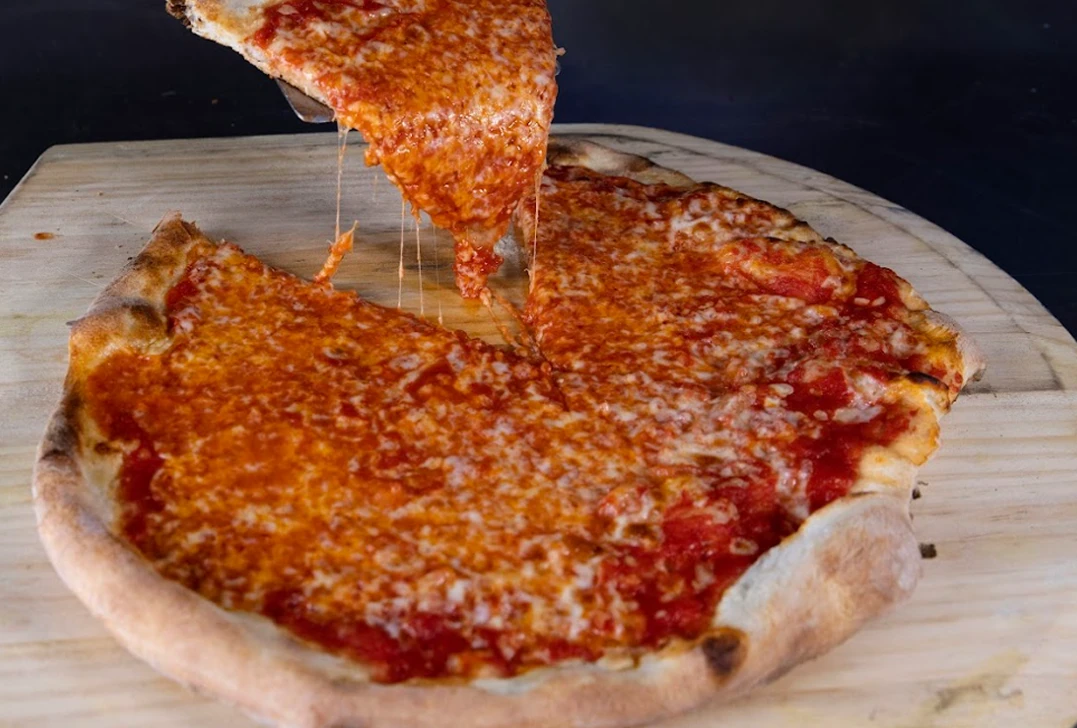
What you want to avoid is a blanket of dairy so thick that the pizza sweats into itself. Heavy cheese can smother a good crust and mute the sauce. It also makes every slice taste the same from center to edge. Better pizzerias know how to leave a little space. You should be able to see the conversation between red and white, sauce and cheese, not a uniform cap.
Take note of browning. Some blistering is welcome. Oily orange pools across the entire surface are less encouraging. That usually points to too much cheese, low quality cheese, poor bake balance, or all three. Authenticity lives in restraint.
Read the room, then read the oven
A pizzeria can tell you a great deal before you order. You do not need a tour or a manifesto. Just watch.
If the oven is visible, look at how the pizzas move through it. Are they being turned with care? Are cooks checking the base, not only the top? Does the pace feel controlled, even during a rush? A kitchen that understands pizza usually has a rhythm to it. The movements are efficient, but not frantic.
Look at the finished pies leaving the pass. Are they consistent in color and shape? Do the crusts show thoughtful baking, or do they range wildly from pale to scorched? A single odd pie can happen anywhere. A pattern is more telling.
The dining room gives clues too. Places that truly care about pizza often serve it with a kind of directness. The menu may not be huge. The cheese pie is usually not buried under novelty combinations. Staff can describe the style clearly and answer simple questions about dough, oven type, and cheese blend without sounding like they are reading cue cards.
Boulder has enough food literacy that many restaurants speak the language of craftsmanship. The useful difference is whether the pizza itself backs up the vocabulary. A place can talk all day about fermentation, sourcing, and artisan technique. The slice still has to eat well.
Timing can make or break your experience
People underestimate timing when they go hunting for great pizza. In Boulder, as in most restaurant towns, the same kitchen can perform very differently at 5:15 p.m. And 7:45 p.m. On a Saturday. If you want to evaluate a place fairly, go when the staff is busy enough to be in rhythm but not so slammed that every pie is rushed.
Early dinner often works best. Late lunch can be excellent for slice-focused shops. Peak hours can still produce a fine pie, especially in a strong operation, but they also expose weaknesses fast. Dough may be stretched too aggressively. Pies may sit too long before being boxed. Reheat slices can masquerade as fresh if you are not paying attention.
Takeout deserves its own caution. Cheese pizza is unforgiving in a box. Steam softens crust quickly, especially in cooler weather when condensation builds. If you are serious about assessing a pizzeria, eat at least one pie on site. If you must carry out, keep the trip short. A ten-minute drive can be the difference between crisp and limp.
This is especially relevant in Boulder, where people often combine a food run with other errands, a brewery stop, or a scenic detour. That is pleasant living, but it is not ideal for a pizza you want to judge at its best.
Neighborhood context matters in Boulder
Boulder is not one dining scene. It is a collection of micro-scenes shaped by students, professionals, families, and visitors. Your search changes depending on where you are.
Downtown and Pearl Street-adjacent spots often balance quality with broad appeal. That can mean polished execution, but it can also mean menus designed to satisfy a wide range of diners, including people who are not focused on pizza specifically. Near the university, value, speed, and late hours may matter more, though there are still places that take their dough seriously. In more residential parts of town, you may find pizzerias that depend on repeat local business, which can encourage consistency over flash.
That local repeat factor is worth noticing. A cheese pizza that keeps nearby residents coming back week after week is often a better sign than a pie built to impress once on social media. Boulder diners are discerning in a quiet way. They may not always make a scene about food, but they reward reliability.
If you are exploring beyond the center of town, your odds can improve. Great pizza does not always live on the most visible block. Sometimes the best cheese pie comes from a place with modest decor, a simple counter, and a crew that has spent years refining the same dough.
Questions worth asking without sounding precious
You do not need to interrogate staff, but a couple of direct questions can save you from a disappointing order. Ask what style of pizza they consider their house pie. Ask whether the mozzarella is fresh, low-moisture, or a blend. Ask whether the cheese pie is the best way to understand what they do.
The quality of the answers matters almost as much as the content. Good staff usually respond with clarity. They know how the pizza is meant to eat. If the response is vague, or if the conversation keeps drifting back to toppings and specialty combinations, that tells you where the restaurant places its emphasis.
One practical trick is to order the plain cheese as written, at least on your first visit. Do not start by modifying it to match your ideal. Extra crisp, light cheese, add basil, easy sauce, those requests are sometimes useful, but they obscure your read on the pizzeria’s baseline. If the standard pie is balanced, custom requests can come later.
Signs that a pizza is compensating for weak fundamentals
Some flaws show up repeatedly, especially in towns where restaurants know diners appreciate premium ingredients and elevated branding. The language sounds promising, but the pie does not hold up.
A common issue is garnish inflation. You order a cheese pizza and it arrives showered with finishing oil, grated hard cheese, microgreens, sea salt, or chili flakes before you have tasted the crust. None of those things are inherently wrong. They become suspect when they distract from a bland base.
Another red flag is a crust that is either too pale or aggressively blackened, with little in between. Extreme char is often mistaken for craft. In reality, bitterness on the bottom of the pie can overwhelm the cheese and tomato. On the other end, a blonde, soft base can leave the slice floppy and dull.
Watch out for sugar in the sauce, excessive dried herb, and cheese that congeals into a heavy mat. These are not authenticity crimes in a moral sense, but they usually indicate a pizza built for broad instant appeal rather than lasting quality.
A practical way to compare two or three places
If you want a fair read on Boulder’s cheese pizza scene, compare shops under similar conditions. Go with one other person. Order the standard cheese pie at each place, eat it on site, and keep the rest of the meal simple. Do not add starters, wings, or dessert until after you have formed an opinion. Those extras influence mood more than people admit.
Focus on four things: first bite balance, crust texture after a few minutes, how cleanly the slice finishes, and whether you want another slice immediately. That last measure sounds casual, but it is surprisingly honest. Great cheese pizza creates appetite rather than fatigue.
You may find that your favorite is not the most “authentic” by internet standards. That is fine. The point is not to perform allegiance to a region. It is to identify the place where style and execution align.
When authenticity and Boulder sensibility actually work together
Boulder can sometimes get caricatured as a place that overcomplicates food. There is a grain of truth there, but it misses the stronger reality. The city also supports producers and cooks who care deeply about process. That mentality can produce excellent pizza when it is directed toward fundamentals instead of decoration.
A thoughtful Boulder pizzeria may use strong flour, better tomatoes, careful fermentation, and a well-calibrated oven while still keeping the pie straightforward. It may even depart from strict East Coast or Italian orthodoxy in small ways because altitude, ingredient availability, and local tastes shape the final product. That does not make it fake. It makes it situated.
The best Cheese Pizza Boulder, Colorado has to offer is not necessarily a perfect copy of a slice from Brooklyn or a pie from Naples. More often, it is a pizza that understands those traditions and translates them honestly, without gimmicks, into this town’s conditions and palate.
That translation can be subtle. Maybe Cheese Pizza Boulder, Colorado the dough has a little more chew to survive a drier climate. Maybe the cheese blend is tuned for takeout because so many customers live a short drive away and pick up after work. Maybe the menu keeps a classic cheese pie front and center even while offering more adventurous options to match local demand. These are practical choices, not compromises of principle.
Trust your senses more than the hype
Reviews can help narrow the field, but they are notoriously unreliable for plain cheese pizza. Many diners rate a restaurant based on toppings, portion size, patio atmosphere, or delivery speed. Those things matter to the overall business. They tell you much less about the quality of a basic pie.
Photos are useful if you know what to look for. Look past melted cheese glamour. Study the rim, the underside if shown, the spacing of the cheese, and whether slices hold their shape. A dramatic cheese pull is not evidence of excellence. Sometimes it is evidence of too much cheese and too little balance.
Word of mouth is still the best filter, especially when it comes from someone who orders plain pizza regularly. Ask a serious pizza eater where they go for a cheese pie when they are not trying to impress anybody. That answer is usually more revealing than a ranked list.
What a memorable cheese pizza leaves behind
A great cheese pizza does not need explanation while you eat it. The logic is built into the slice. The crust has enough character to stand alone. The sauce tastes fresh and proportional. The cheese melts into the whole rather than sitting on top of it. The last bite is as considered as the first.
When you find that in Boulder, hold onto it. Good pizza cities are not only the ones with the most famous names. They are the ones where enough cooks and customers care about the fundamentals that a simple cheese pie can carry real meaning.
That is the standard worth chasing. Not trendiness. Not maximal toppings. Not the loudest claims of authenticity. Just a pie that honors the craft plainly and confidently. In a city as food-aware as Boulder, that kind of honesty is usually there if you know how to look.
Brooklyn Pizza
Address: 1647 Arapahoe Ave, Boulder, CO 80302
Phone number: +17203282324
FAQ About Cheese Pizza Boulder, Colorado
What is usually on a cheese pizza?
A standard cheese pizza consists of a yeast dough crust, a seasoned tomato-based sauce, and melted mozzarella cheese.
What is a cheese pizza called?
A basic cheese pizza is simply called a cheese pizza, a plain pizza, or a plain pie.
What is the best recipe for cheese pizza?
The best cheese pizza recipe uses high-heat baking, a simple raw tomato sauce, and a mix of low-moisture and fresh mozzarella cheese on a homemade yeast dough.